
Arrest Warrants in Potter County
Potter County arrest warrants flow from Texas Code of Criminal Procedure Chapter 15, which lays out the complaint-and-warrant framework for the whole state. Articles 15.03 through 15.05 cover magistrate authority and the sworn complaint behind an issuance. The statute explains the paperwork, though. Only the issuing office can confirm whether a particular warrant stands. The Sheriff's public PDF shows selected process and offense columns, but it carries no full case file and no clear court field. Treat a matching name there as a lead, not proof of identity or service.
Potter County Arrest Warrant Law: Chapter 15
Chapter 15 of the Texas Code of Criminal Procedure sets the legal frame: a sworn complaint goes to a magistrate, who reviews it before any warrant issues. The statute describes that process in Potter County and everywhere else in Texas, but the local clerk and court hold the actual case papers. Reading the law will not tell you whether an entry is live. For that, call the Potter County office that can verify it directly. Read Texas Code of Criminal Procedure Chapter 15 for Articles 15.03 through 15.05, keeping in mind it is legal context rather than a status lookup for any warrant.
What a Potter County Arrest Warrant Contains
The public Sheriff list is far thinner than a warrant instrument or court file. Its columns omit the warrant number, case number, judge, bond amount and service status. None of the fine detail that answers a real warrant question appears there, so any Potter County check still needs the court file itself.
| Warrant number | No number field appeared in the inspected Sheriff list. The process code WAR is not a unique case number. |
|---|---|
| Name and DOB | The Sheriff PDF shows both. Do not copy the sensitive DOB value into public material. |
| Charge / offense | Crime class and “Wanted for” appear in the Sheriff schema; this is not a full charging document. |
| Issuing judge / court | No court or judge field was visible in that list. |
| Bond / service status | Neither field was visible in the inspected public schema. |
| Issued / expires | The Sheriff PDF displays these dates, without a service or recall history. |
Potter County Felony Warrant Files Split
Felony records in Potter County belong to the District Clerk and the assigned district court. County-level criminal records go to the County Clerk's Court Department and the County Courts at Law. Potter County runs five district courts and two county courts at law. With that many benches, a clerk request should name the case details and the court level whenever you know them. The District Clerk will not run a name-only judicial search on request, so bring specifics. Its records page describes the office's criminal-record access route, including online access and public courthouse computers available Monday through Friday, 8 a.m. to 5 p.m. That official page is the place to confirm the current request process before you go.
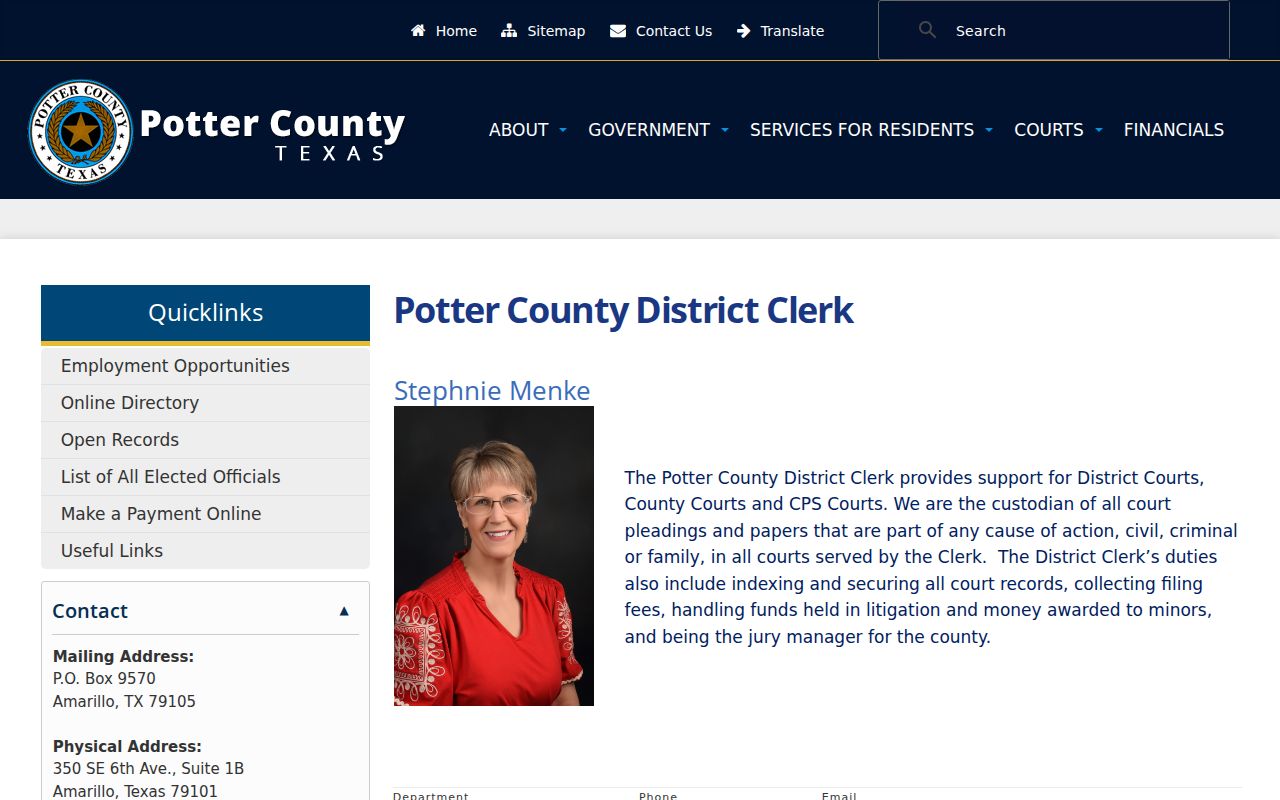
One caution from Potter County: the clerk's record route does not promise that every unserved warrant is publicly searchable.
How Potter County Arrest Warrants Are Served
In Potter County, the Sheriff, constables and other peace officers may serve process within their own authority. The issuing court creates the order. A serving agency then carries it out. The public list never says which officer or agency holds a particular assignment. Note too that the Detention Center and Sheriff headquarters sit at separate locations in Potter County. The detention page covers reception and magistration, but reception is not a general warrant-status counter, and the office publishes no bond window or payment method there.
Potter County Warrant Searches Need a Clerk
A Potter County warrant search for county-level cases runs through the County Clerk. The criminal search asks for a name, an approximate offense or conviction date within ten years, the offense type if known, a fee and a return address. Looking costs nothing. Plain copies run $1 per page, and certification adds $5 plus $1 per page. Those instructions build a court-record request, not an emergency active-warrant check. A felony file belongs to the District Clerk; a county-court case to the County Clerk; and each Justice of the Peace keeps a separate precinct record. Review Potter County Clerk criminal-search instructions on the office's own page, which spells out the full search and copy process.
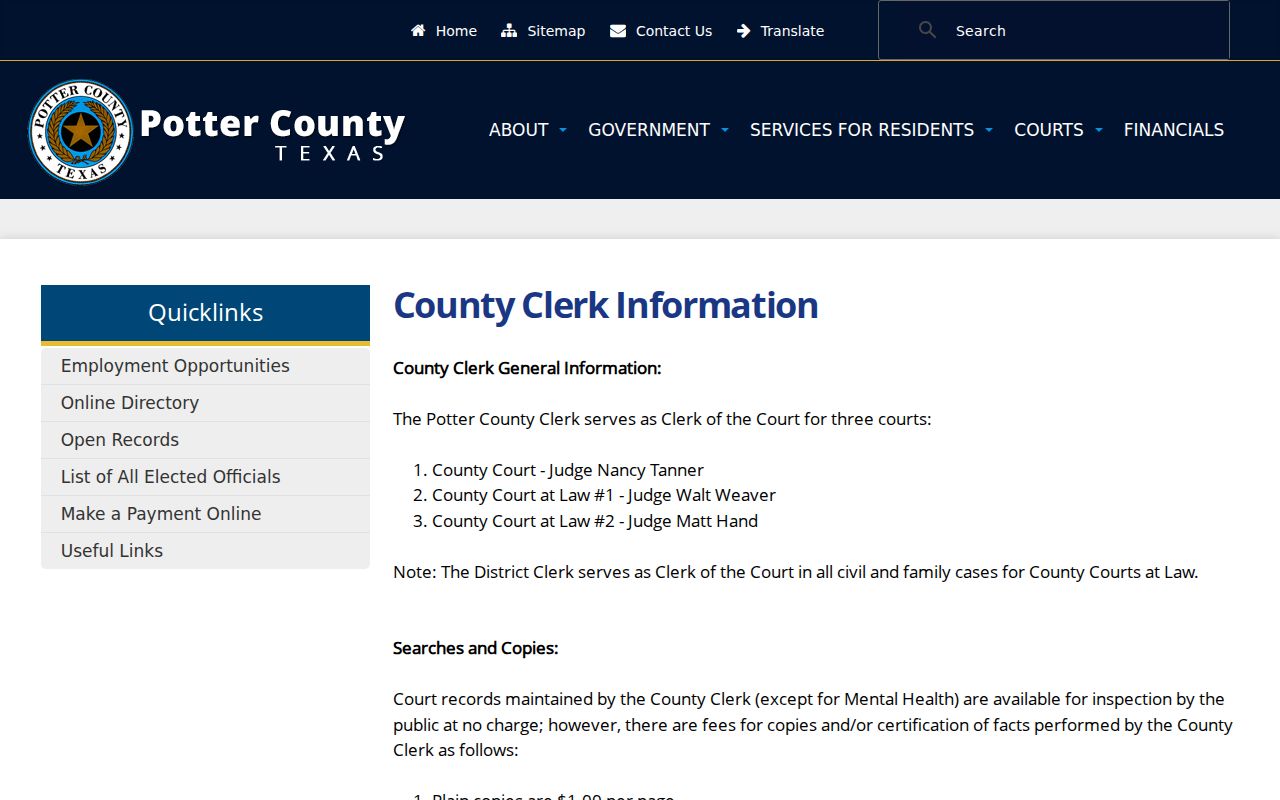
Ask whether inspection, a plain copy or a certified copy fits the record need.
Arrest Warrant vs Summons vs Bench Warrant
The three instruments do different jobs. An arrest warrant authorizes an arrest under a court order, while a summons simply directs a person to appear. A bench warrant follows a missed court obligation in a case already open. In Potter County, the right records route and the legal consequences both depend on the instrument and the issuing court.
| Feature | Arrest Warrant | Summons | Bench Warrant |
|---|---|---|---|
| What it does | Authorizes an arrest under its terms. | Directs a person to appear. | Addresses an unmet court obligation. |
| Legal source | Complaint and probable-cause warrant process. | Issued under the case procedure. | Order in an existing matter. |
| Record route | Issuing court, clerk and serving agency. | Court named on the notice. | Judge and court that set the case. |
| Confirmation | Ask the issuing court or warrant deputy. | Ask the named court clerk. | Ask the issuing court about its procedure. |
Potter County Family and Federal Warrants
Family matters take a different path in Potter County. The IV-D Child Support Court warns that nonappearance can bring a default order or an arrest warrant, so a family-related question should run through IV-D, the District Clerk or the Office of the Attorney General route the court shows, not a Sheriff-list guess. Federal warrants sit outside Potter County and Amarillo lists entirely. Public federal docket material goes through PACER or the Northern District clerk, and sealed matters may not surface in a public search at all. PACER's official page lays out the current charges for federal docket access.
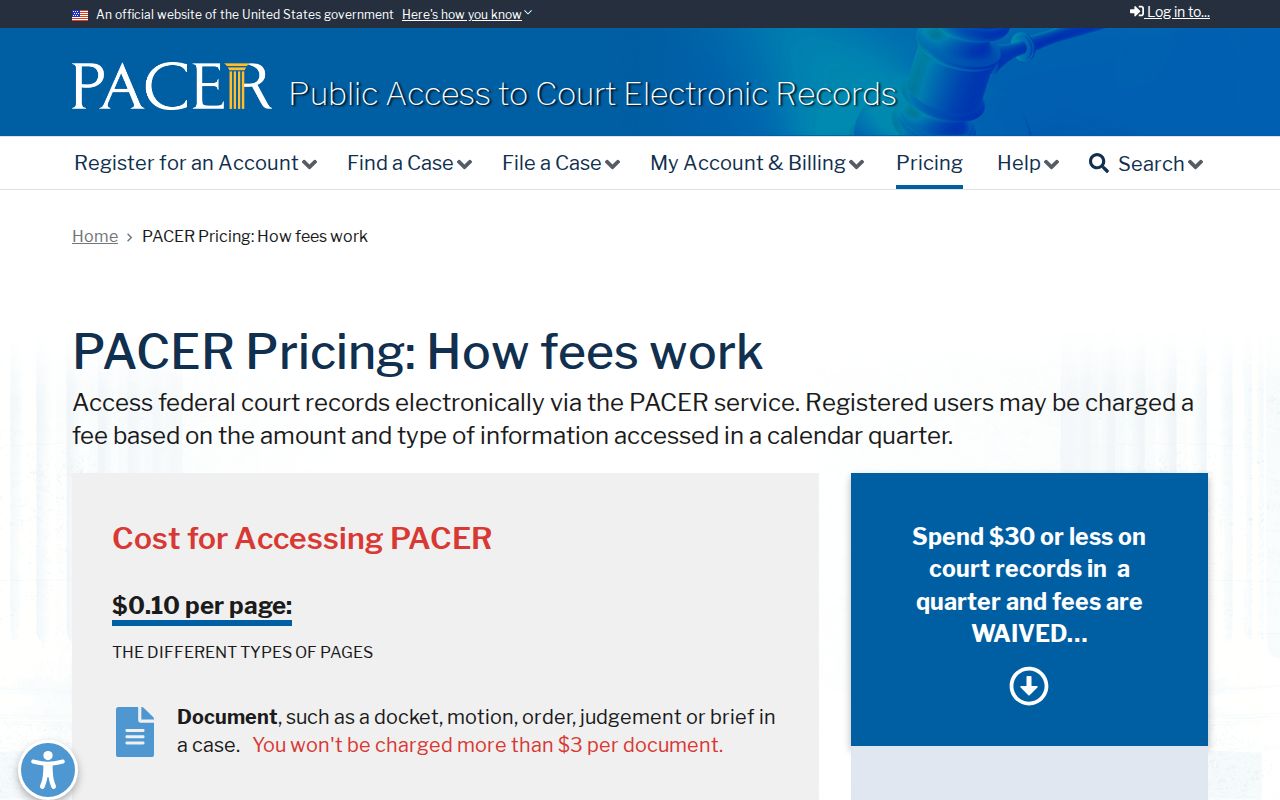
A county or state no-result cannot clear a federal matter.
What to Do If There's a Warrant for You
If a warrant names you, start by asking the warrant deputy or the issuing court to identify the record and its current status. Do not know which court holds it? A clerk or a lawyer can help route the question in Potter County. What happens next depends on the order: an appearance, a bond question or a written motion are all possible court steps. Keep one rule firm. Only the issuing court can confirm whether it recalled an order, and the public PDF lacks the detail to answer that. A licensed Texas attorney can pull the file, review it and talk through options before you decide how to proceed.
Important: A licensed Texas attorney and the issuing court can explain the available process; do not rely on a list entry alone to make a legal decision.
Potter County Warrants Need Direct Confirmation
A case number only gets you into the file. It will not tell you whether a Potter County warrant is live right now. When you call, ask if the record is active, recalled, served, or purely historical, and which court issued it; some clerks also want a written request before they will check. The Sheriff records page and the clerk's office are solid channels for paperwork. Neither one publishes a blanket list of served versus unserved warrants. Exceptions can apply too, since releasing a record might interfere with an open investigation. Texas Government Code §552.108 spells out that law-enforcement exception, though it is not a blanket rule for every warrant.